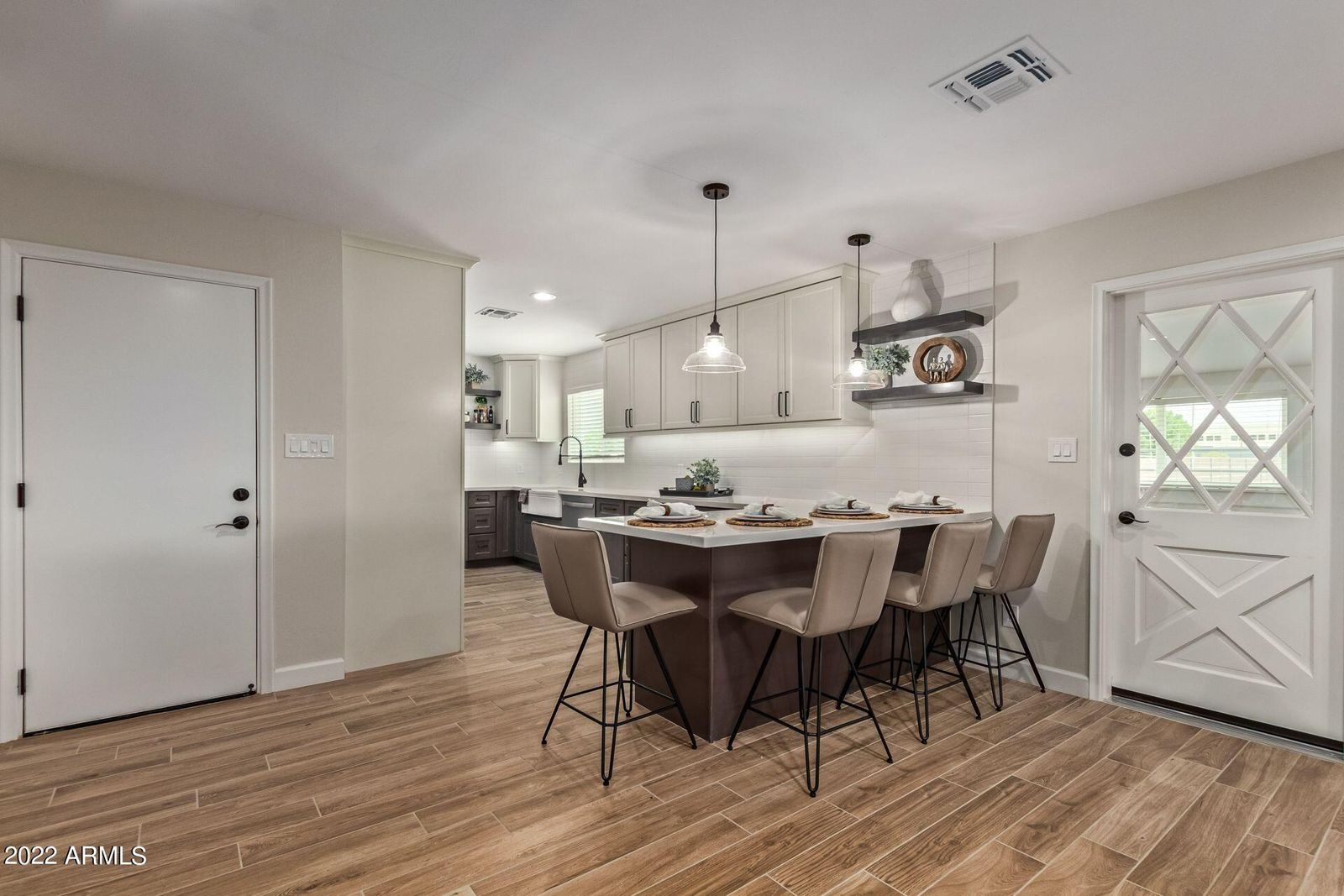

A new floor is one of the biggest visual upgrades you can make to a home. It is also one of the easiest to get wrong. The lowest bid often skips steps you can't see on day one, and those steps decide whether the floor still looks good in five years.
Cheap can cost a lot
When a floor fails, you pay twice: once for the first install, and again to tear it out and do it right. Most of the problems below come from skipped prep, the wrong materials or rushed installation, not from the tile itself.
Problem: hollow or cracked tiles
Tiles that sound hollow when tapped, or crack under normal use, usually were not fully bedded in thinset. Ask your installer how they ensure full coverage, especially with large-format tile.
Problem: uneven edges (lippage)
Tile edges that catch your toe or the light are often caused by a subfloor that was never flattened. Floor prep should be part of the estimate, not a surprise.
Problem: cracking grout and tented tile
Floors move with temperature and the house itself. Without movement joints where the manufacturer calls for them, grout cracks and tiles can lift. This matters in Arizona, where homes see big temperature swings.
Problem: awkward transitions
A floor that ends in thin slivers at a doorway or a clumsy step between rooms is a layout problem. Good installers plan the layout and transitions before the first tile goes down.
Every project we take on starts with a free estimate where we check the substrate and walk through the plan with you, and every installation is backed by our 2-year workmanship warranty.